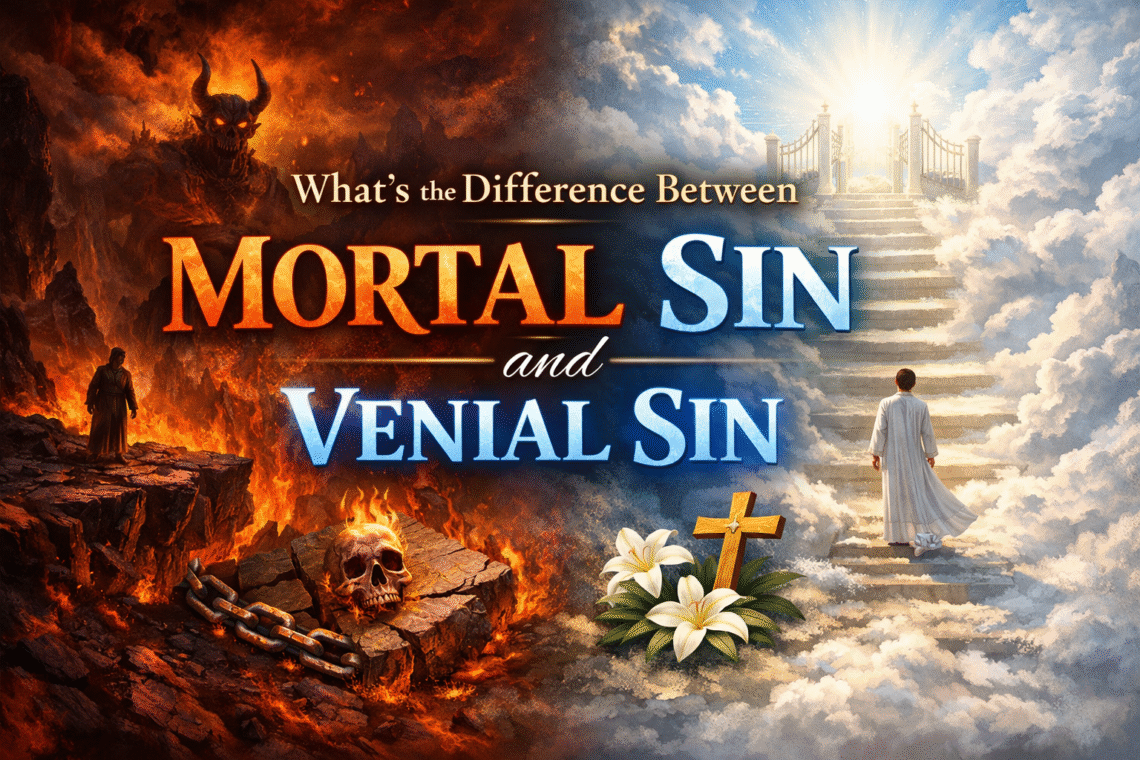
All sins are the same in God’s eyes, or are they? Are some sins worse than others? And what about the infamous ‘unforgivable sin’? What’s that all about? The Catholic Church recognises two categories of sin: Mortal and Venial sins. It’s important to know the difference between the two and how to get right with God if you commit any of them.
What is Sin?
Before we talk about the difference between mortal and venial sins, we need to clarify what sin actually is. In summary, sin is an offence against God. It affects our relationship with the author of life. It’s a free choice against love, for God is love.
The catechism states that:
Sin is an offence against God: “Against you, you alone, have I sinned, and done that which is evil in your sight.” Sin sets itself against God’s love for us and turns our hearts away from it. Like the first sin, it is disobedience, a revolt against God through the will to become “like gods,” knowing and determining good and evil.
Therefore, to sin isn’t so much ‘breaking the rules’, but ‘breaking the bond’ between you and God.

What is Mortal Sin?
Mortal sin is defined as a ‘grave matter’. It is committed with full knowledge and intent. Here are some examples of mortal sins:
- Deliberately missing Sunday mass without a good reason.
- Serious sexual sin – e.g. fornication, or watching pornography
- Serious dishonesty – e.g. lying in court
- Hatred that desires great harm – e.g. murder, causing grievous bodily harm
You will notice all these examples disobey 4 of the 10 commandments. To deliberately miss Sunday Mass means you are not honouring the Sabbath day. Any sexual sin falls under the category of the 7th commandment, “You shall not commit adultery”. Any case of lying falls under the 9th commandment, and any hatred that leads to harm against another, even if it doesn’t result in murder, falls under the 6th commandment, ‘You shall not murder’.
These are the rules we must obey, but they have come straight from God’s own hands. Jesus expanded on the 10 commandments when he spoke of the heart of the law. He said if a man looks at another woman lustfully, he has committed adultery in my heart. Jesus was trying to explain that the law given by God is there to help us maintain our relationship with God and with each other. It’s about having a conversion of heart, rather than being caught in legalism without a care for the well-being of others.
The Catholic Church teaches that if a person has committed a mortal sin, they must not receive Communion until they have repented their sin and received absolution. It is considered sacrilege to receive the body and blood of Jesus whilst in the state of mortal sin.
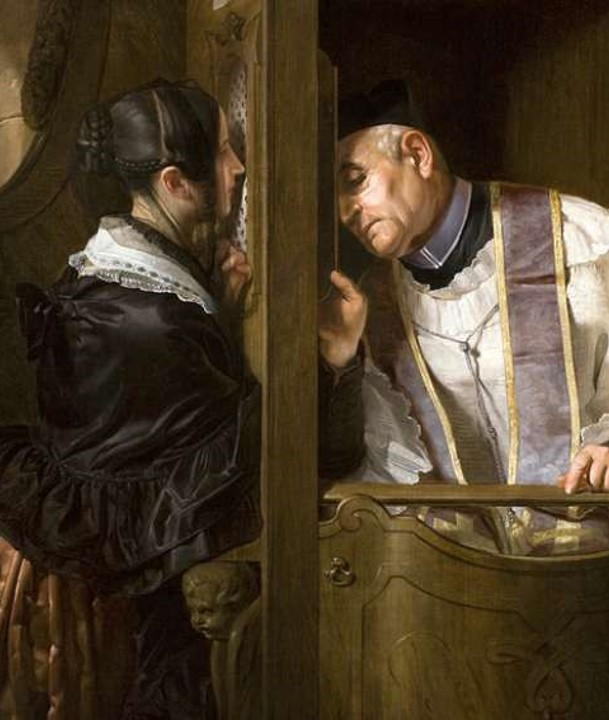
To receive absolution for a mortal sin, you need to go to the Sacrament of Reconciliation. Check out when your local church offers Confessions, or book a time with your priest to confess. Just make sure you do it before receiving Communion.
What is Venial Sin?
Venial sins are the ‘little sins’. It weakens our sense of charity towards each other. It makes us more prone to commit a mortal sin, and it weakens our spiritual strength. However, it does not sever our relationship with God, not like mortal sin can.
Here are some examples of Venial Sins:
Gossiping
Complaining
Petty Theft
Breaking minor laws (e.g. speeding, littering)
Gluttony
This does not mean that venial sins are not serious. And accumulation of venial sins could equate to a mortal sin. For the sinner is not focused on God, but on their own selfish desires. This could cause a separation from your relationship with God.
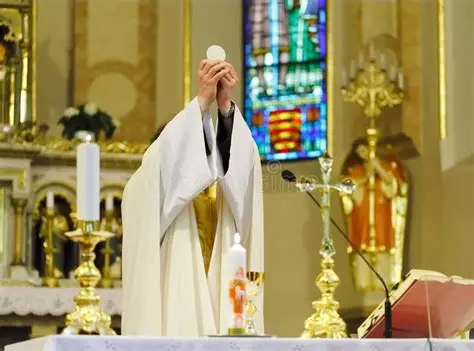
During the Mass a priest gives general absolution for venial sins once the congregation has said the penitential act together. That will clense of your venial sins before listening to the Liturgy of the Word and receiving the Holy Eucharist.
The Mass itself will help strengthen your soul and help you resist temptation if your heart and mind are focused on God.
How to Avoid Sin
In the Confessional, we offer a penitential prayer saying that we are sorry for our sins and that we won’t sin again. Although we know we probably will sin again. That is why we have to return to Confession time and time again. Jesus knows this, but He also knows what is in our hearts. He knows we are weak and need His Grace to fight temptation.
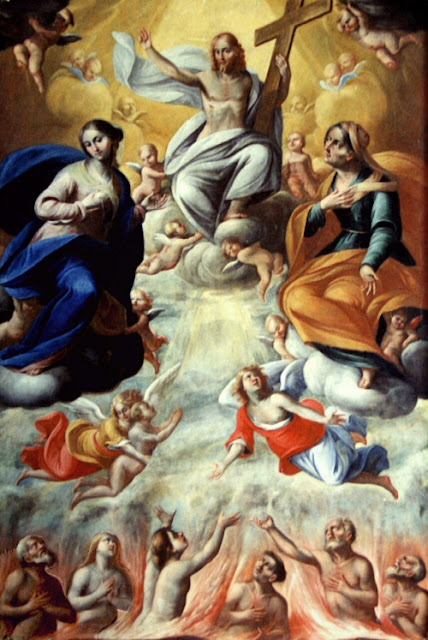
So Jesus has given us so much to help us fight temptation, if only we remember to use them. Jesus has given his body and blood to nourish our souls in the form of the Eucharist. He has given us Sacraments to help cement our faith in Him and receive His Grace. He has given us His Church to teach us His word and understand its meaning. Jesus gave his own mother to us as he hung dying on the cross. She intercedes for us. Her intercession is especially powerful. There are stories of Our Lady interceding for souls on their deathbed, which saves them from eternal damnation.
To avoid sin, make the most of the gifts given by Jesus through his Church. Be sure to break ties with people who lead you to sin. Place the crucifix in places around your home where you are more in danger of sinning. Place an image of Our Lady or Our Lord in your car that you can see, so if you are tempted to show road rage, you can look at their image instead and pray for others on the road.
Ask your Guardian angel to help you resist temptation. Call upon the saints to intercede for you, especially the saints with rather chequered pasts such as St Ignatius of Loyola.
The Unforgivable Sin
When did you first hear about The Unforgivable Sin? Did it scare the bejeebers out of you? I have known several new converts to Christianity who hear about this sin and are afraid they may have accidentally committed it without knowing it. I have had to reassure them that all mortal sins are done in full knowledge of the sinner. One cannot accidentally commit the unforgivable sin. Jesus names it as blasphemy against the Spirit.
What he means is that those who do not ally themselves with Him cannot be forgiven. It’s because they refuse to be forgiven. It’s stubborn pride they are showing. They have a choice not to accept Jesus’ forgiveness, and so he honours that choice and won’t forgive them. They have chosen to ally themselves with Satan, for those who are not for Jesus are against Him.
James Akin from the EWTN website explains Catholic teaching on this matter in greater detail.
If you are a practising Catholic, you have nothing to fear regarding the unforgivable sin. Just stay humble.
Connect with Christ
Lastly, we must not forget that Jesus actually wants a relationship with us. Sin separates us from Christ. That’s why He hates it so much. One of the best ways to avoid sin is to remain in His presence all the time. To help you establish and maintain your relationship with Jesus check out our blog post ‘Connect with Christ in 2026’.