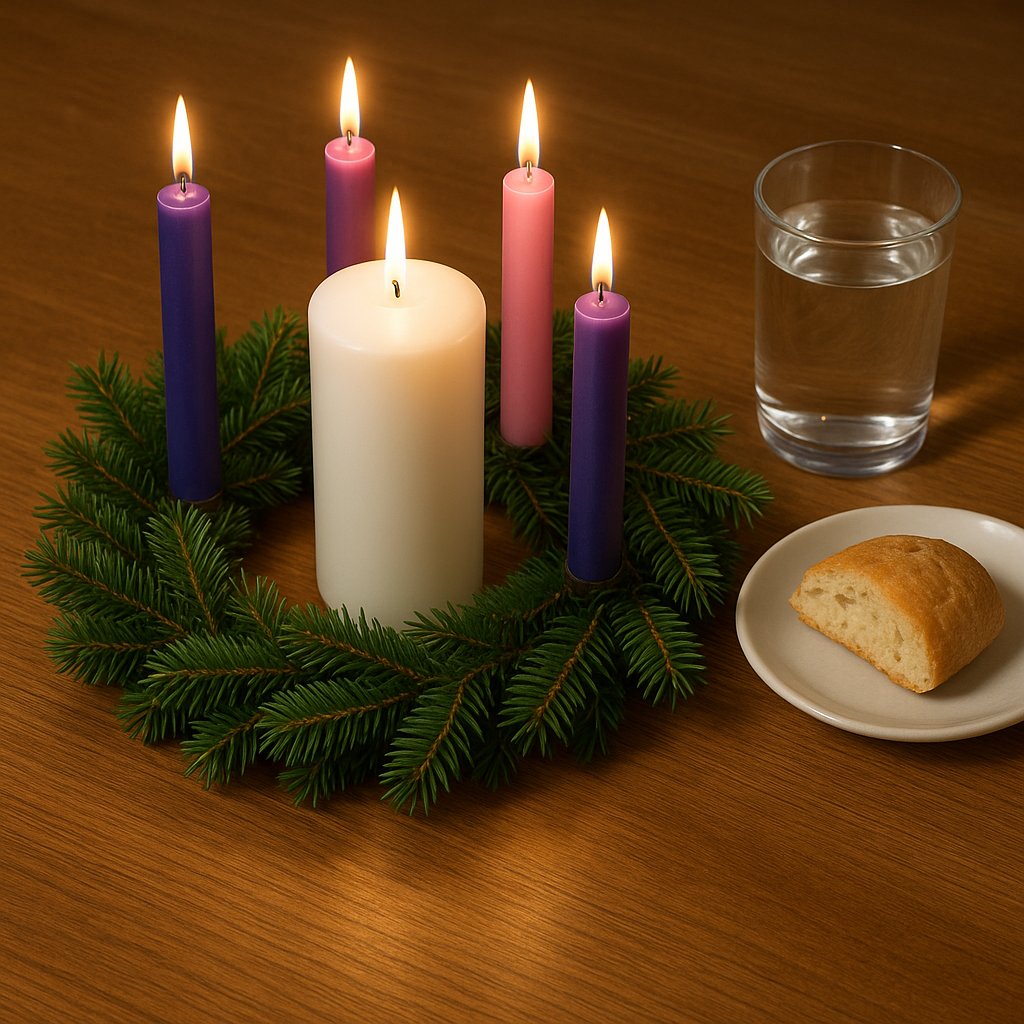
Fasting is hot right now. It has been trending for quite some time in the Health and Nutrition sector. Podcasts and YouTube Influencers are raving about the benefits of fasting to our health and well-being. It seems we were not designed to eat all the time. Who would have thought? Scientists have also discovered that fasting is good for our mental health and clarity of mind. Some health and well-being gurus also acknowledge the spiritual benefits of fasting. But none of this information is new. The Church has been promoting fasting for centuries. Christ himself fasted during his time on earth. And once upon a time, it was common for people to fast during Advent as they spiritually prepared for the coming of Christ. It’s about time we relearn the spiritual benefits of fasting during Advent and make the most of it this season.
A Little History of Fasting During Advent
The Advent Fast was known as the St Martin Fast, because it begins from the Feast of St Martin on the 11th of November. Like Lent, the fasting period started 40 days before the primary celebration of Christmas. We know this fasting observation was decreed by St Perpetuus as early as 480AD. It was expected by the Faithful to fast on Mondays, Wednesdays and Fridays during Advent. However, by the 12th century, this observation was reduced to simply “good counsel” and addressed only towards the clergy and soldiers. In England, only monks observed fasting and abstinence during the Advent period.
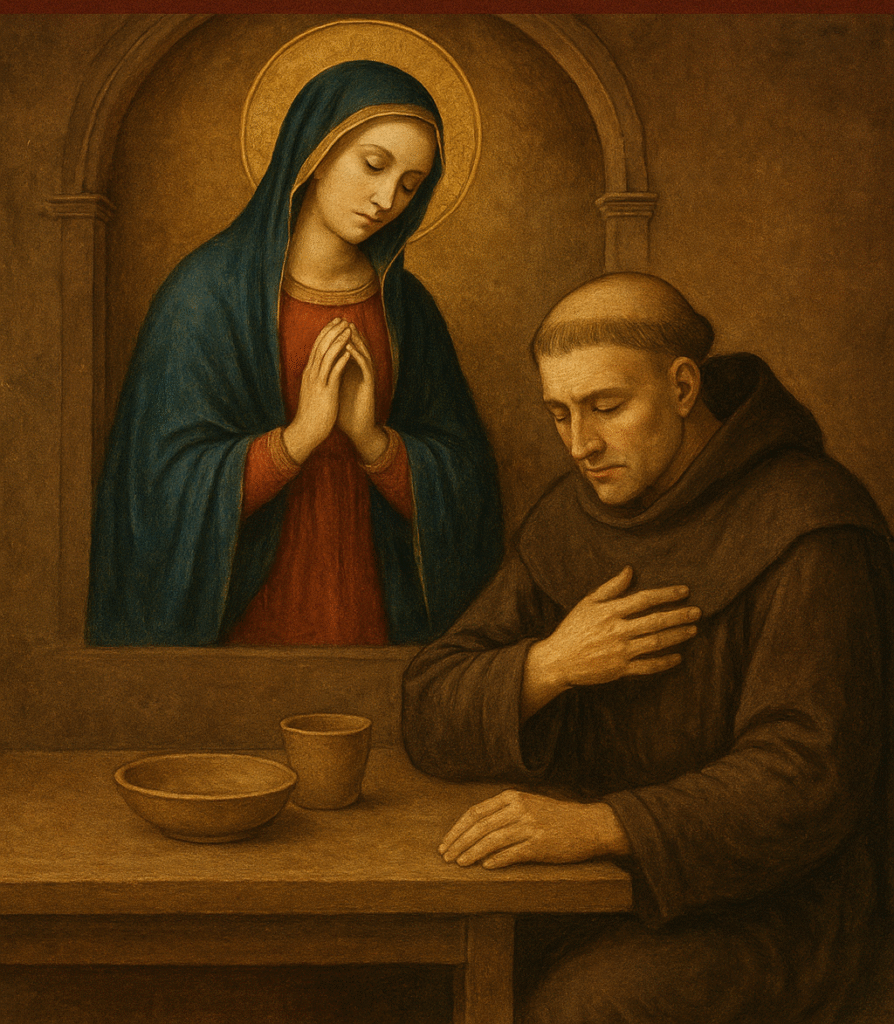
Fasting had already fallen out of fashion in the early medieval times, and by the 19th century, very few people observed the St Martin’s Fast, as there was no obligation to follow it on pain of sin. This is a shame, for it would suggest the faithful no longer regarded the significance of Christ’s birth as they once did. The Church did try to encourage the faithful to fast and show greater reverence to the coming Christ child, as their ancestors had in the past. The Catechism of Perseverance, written in 1850, stated,
“The Church neglects no means of revisiting in her children the fervour of their ancestors. Is it not just? Is the little Babe whom we expect less beautiful, less holy, less worthy of our love now than formerly? Has He ceased to be the Friend of pure hearts? Is His coming into our souls less needed? Alas! perhaps we have raised there all the idols that, eighteen centuries ago, He came to overturn. Let us therefore be more wise. Let us enter into the views of the Church: let us consider how this tender mother redoubles her solicitude to form in us those dispositions of penance and charity which are necessary for a proper reception of the Babe of Bethlehem.”
source: The True Advent Fast, The Fatima Centre
The Purpose of Fasting During Advent
I have often thought the rise of materialism in the 20th century caused the demise of the Advent fast. No one seems to have the patience or self-discipline to fast during Advent. Office parties, school Christmas dinners and large Christmas markets make it nigh on impossible to observe a regular fasting schedule during the month of December. People want to do all the celebrating before Christmas, and Catholics get swept up into the pre-Christmas festivities like everyone else.

However, it was the Catholic Church that established the liturgical calendar and should be leading the world on the best way to observe this holy season. Catholics fast during Lent. They attend Confession and give alms to the needy. It’s a way to build spiritual muscle. It’s like a New Year’s Resolution. Well, guess what? Advent is the beginning of a New Year. It is the start of the Liturgical Year. What better way to start the Liturgical Year than by building your spiritual muscle through prayer, fasting, and almsgiving? Buck the trend of attending Christmas parties and celebrating Christmas before Christ has even been born. Host your own Christmas party during the 12 days of Christmas. That is the time to feast and be merry. You will appreciate the turkey dinner and sweet treats even more if you fast during Advent.
The Benefits of Fasting During Advent
Fasting and abstinence help build self-discipline and are a small form of sacrifice that can put weight behind prayers. If there is a particular cause you would like to pray for during December, such as peace in the Holy Lands, or for a personal intention, you can offer a fast to support that prayer. God acknowledges these small sacrifices and honours them. This is a great time of year to pray and fast for the souls of our loved ones in Purgatory.
As mentioned earlier, fasting can help bring greater clarity to the mind. When we go without food, the body shifts from using dietary glucose for energy to burning stored fat instead. This process produces ketones, which serve as an efficient fuel source for the brain and can contribute to improved focus and mental clarity. It is the best time to work, to be creative, to pray and meditate on the mysteries of the Incarnation. Pretty cool eh?
With all this marvellous fasting you are doing during Advent for spiritual purposes, you may drop a few pounds before the big feast day. That is also a major benefit. You will have created some space to allow yourself to feast during the Christmas season. Also, when you fast, your appetite decreases. This means when you are ready to eat, you may not want too much food anyway. You will feel fuller on less food. Sure, you can enjoy the big turkey dinner, but you will be satisfied with a smaller plate and not suffer the ghastly bloated feeling afterwards. Bonus!
Lastly, if you fast, you can reset your dopamine levels. We boost dopamine too often in our modern lifestyles to the point that it numbs the impact. A child who eats a sweet for the first time will really enjoy the experience on a whole new level of pleasure and excitement. However, if a child regularly eats sweets, the effect won’t be as powerful, and they will want even more sugar to attain the same pleasurable experience as the first sweet gave them. The same applies to adults as well. Give your brain a rest from the dopamine boosts. Pray, meditate, fast and reset your dopamine levels, so when Christmas finally comes, and you bite into a chocolate bar for the first time in a month, you will feel especially delighted by the taste.
How to Fast During Advent
Firstly, choose when you want to start your fast. You may want to start on the traditional date of 11th November and hold a 40-day period of fasting, like the early church. Or perhaps you want to start from the first Sunday of Advent or the first of December. Choose what your fasting days will be. Traditionally, they were Mondays, Wednesdays and Fridays. You may want to observe all 3 days of fasting or just one or two of these days. Perhaps you can have some days where you fast, and other days for abstinence, such as quitting alcohol, or coffee. Just make a decision and stick to it.
Let your friends and family know when you are fasting. While Jesus encouraged keeping our fasting private, it is still important for those close to you to be aware, so they understand why you are not eating. This helps prevent misunderstandings and ensures they won’t feel offended if they invite you to dinner and you need to decline.

However, as mentioned before, there are many social gatherings and parties before Christmas. You don’t want to be a complete Grinch and refuse all invitations and insult your loved ones. You will need to be thoughtful about what events you want to attend if you want to fast during Advent. If you really want to attend a party on one of your fasting days in Advent, instead of fasting, you could choose to abstain from something else, such as alcohol. To fast for spiritual reasons and get closer to God shouldn’t mean we upset/insult our friends and families who may have made an effort to be hospitable towards us. That defeats the reason for holding a spiritual fast in the first place.
Watch lots of YouTube videos about the benefits of fasting. This can help you keep on track when you lose motivation. These videos also help inform you on healthy ways to fast. We can’t all be St Catherine of Sienna and live off the blessed sacrament for seven years straight without any other substance.
Talking of the Eucharist, as you are conducting a spiritual fast during Advent, it is fine and recommended to receive the blessed sacrament during your fast days. For the body of Christ is food for your soul, and it is your soul you are building up during your Advent fasts. Just know that receiving the bread and wine will break your physical fast and could cause a small spike in your insulin.
NB: Do not fast if you have an eating disorder, are pregnant or breastfeeding. Always consult a doctor if you have any medical conditions which may be impacted by fasting.
Share Your Thoughts
Are you planning to fast during Advent this year? What is your fasting schedule? Have you any tips and tricks to help when fasting? Do let us know on our Facebook page, so we can support each other this Advent as we pray and fast, whilst we wait for the Lord.