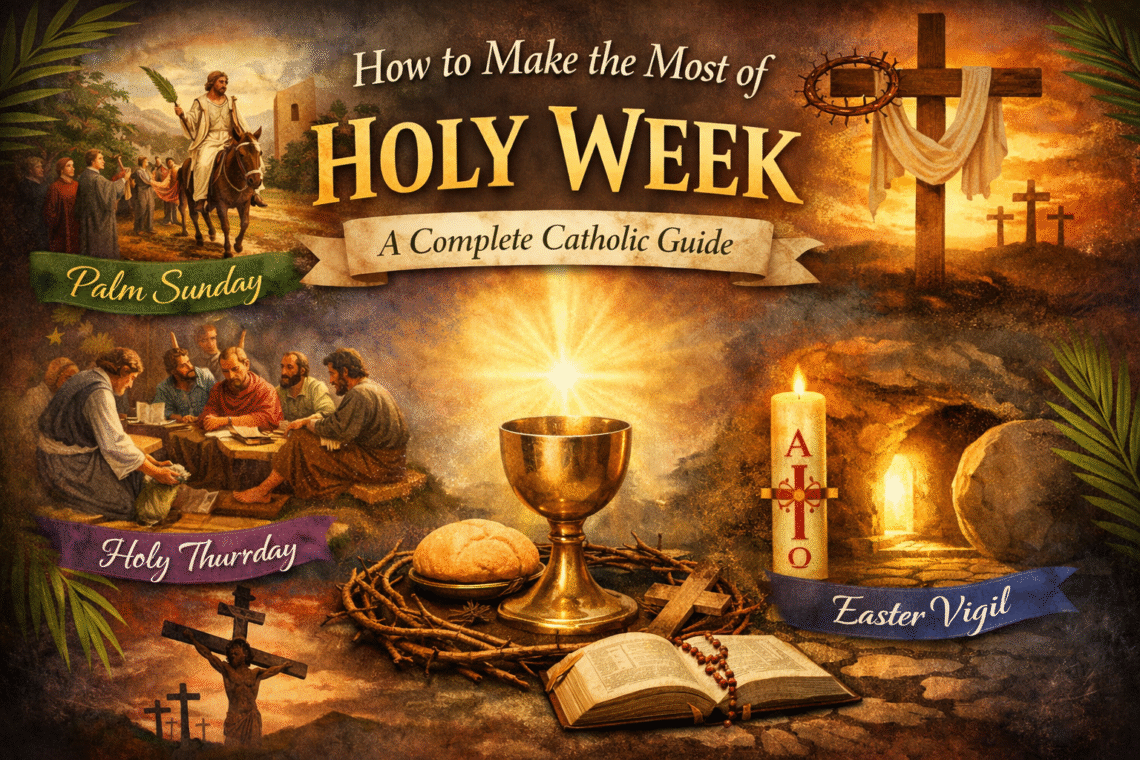
Holy Week is the most important week in the Church’s calendar. It is packed full of liturgies and events that mark the passion, death, and resurrection of Our Lord.
There are many things Catholics can do during this week. Some of them are obligatory according to Church law, while others are strongly recommended but not required. This guide will help you understand how to fully participate in Holy Week and which liturgies are essential to attend.
What to Expect Before Holy Week
If you have never experienced a Catholic celebration of Holy Week and Easter, you may be surprised by some of the rituals you see.
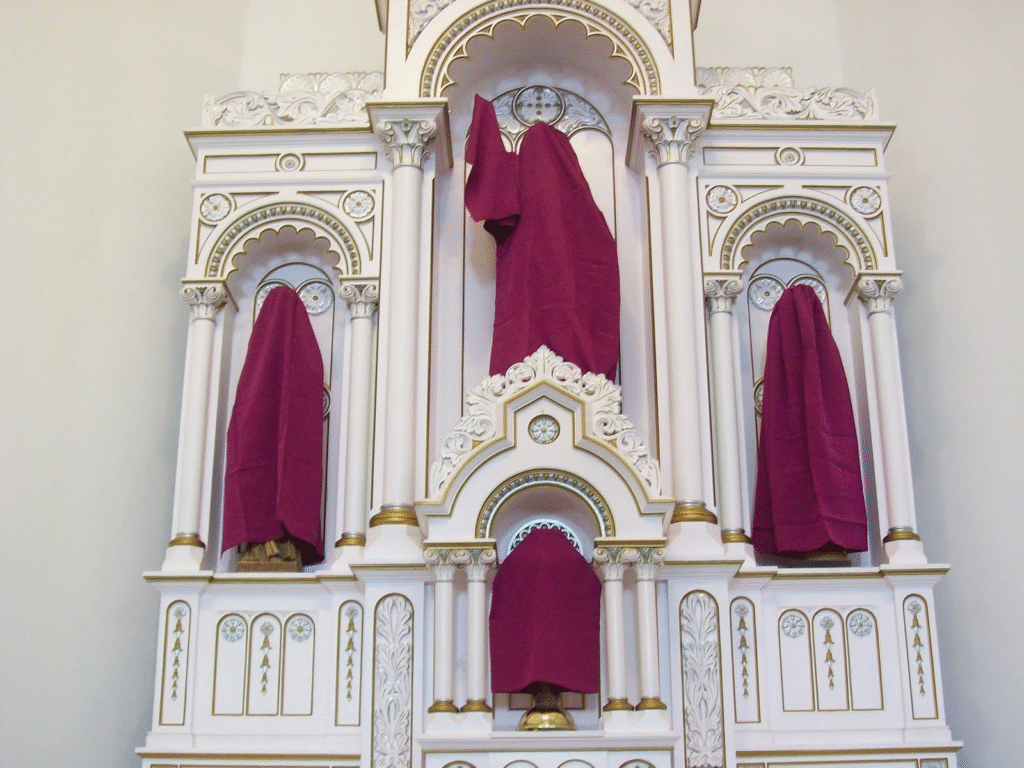
For example, churches cover their statues and sacred images on the fifth Sunday of Lent and do not uncover them until the Easter Vigil. By veiling these images, the Church creates a sense that something is missing. The church environment becomes simpler and more austere.
We also stop singing the word Alleluia during Lent.
In a sense, our senses are fasting along with us. Beauty is temporarily hidden as we contemplate the bleakness of Christ’s suffering.
Then everything changes at Easter. During the Easter Vigil the statues are unveiled, the thorns and palm crosses are replaced with flowers, and the Church joyfully sings Alleluia again as we celebrate the resurrection of Christ.
Day 1: Palm Sunday
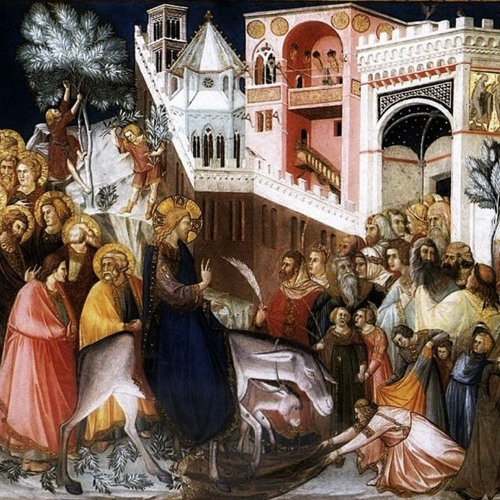
Just six days before Jesus was crucified, people welcomed him into Jerusalem. They waved palm branches and cried out “Hosanna,” which means “save us.”
Jesus entered the Holy City riding on a donkey, fulfilling the prophecy of Zechariah:
“Rejoice greatly, daughter of Zion…
Behold, your king comes to you…
humble and riding on a donkey.”
(Zechariah 9:9)
Many people believed Jesus was the Messiah and expected him to deliver them from Roman oppression. Little did they realise that he had come to save them from something far greater: sin and eternal death.
On Palm Sunday there is usually a procession before Mass begins. The priest blesses palm branches with holy water, and the congregation processes into the church while singing.
Later in the Mass, the Passion narrative is proclaimed. Each year a different Gospel account is used. For example, in Year A the Passion is read from the Gospel of Matthew.
Obligation:
Every Sunday of the year is a Holy Day of Obligation. Catholics are expected to attend either Sunday Mass or the vigil Mass on Saturday evening. Therefore, attending Mass on Palm Sunday is obligatory.
Missing mass on any Sunday without good reason is considered to be a mortal sin. For more information about mortal sins read our post, What’s the difference between mortal sin and vinial sin?
Day 3: The Chrism Mass
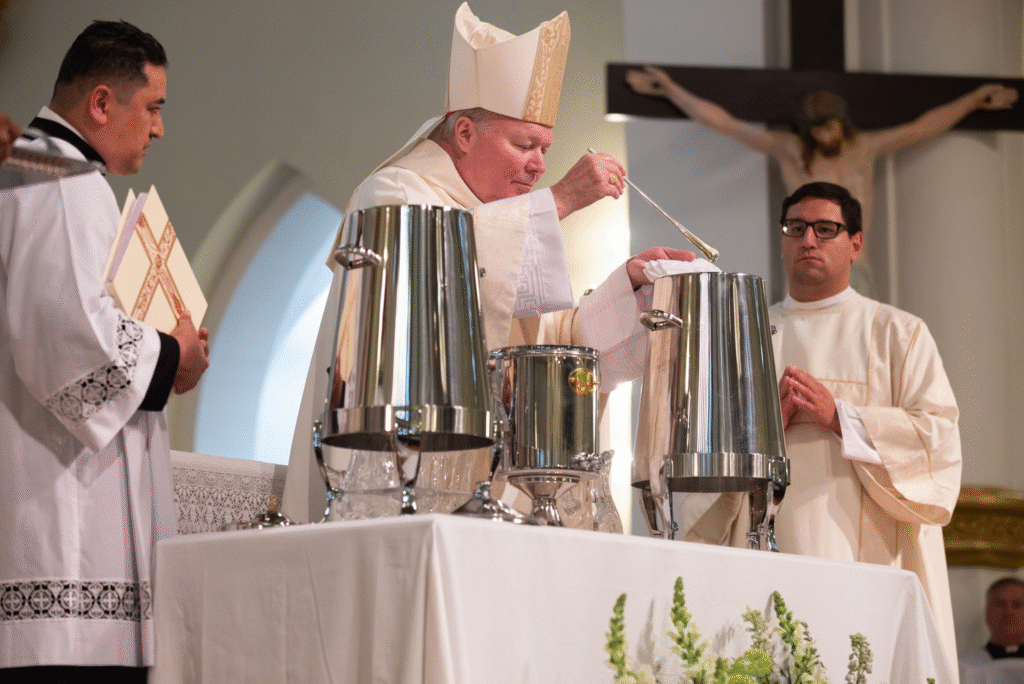
The Chrism Mass usually takes place earlier in Holy Week in each diocese.
During this Mass the bishop blesses the holy oils that will be used throughout the year for the sacraments of:
- Baptism
- Confirmation
- Anointing of the Sick
All the priests of the diocese attend and renew the promises they made at their ordination.
I confess that I have never attended the Chrism Mass myself. However, this year I plan to go for the first time and report back on the experience. If you would like to see my reaction, remember to subscribe to our YouTube channel.
The Chrism Mass is not a Holy Day of Obligation, but it is a beautiful expression of the unity of the Church.
The Sacred Paschal Triduum in Holy Week
The most important liturgies of the Christian year take place during the Sacred Paschal Triduum. The word Triduum simply means “three days.” These days commemorate the passion, death, and resurrection of Jesus.
The Triduum begins on the evening of Holy Thursday and concludes with the celebration of Easter Sunday. Although there are three separate services, they are often described as one continuous liturgy spread across three days.
Holy Thursday – The Mass of the Lord’s Supper
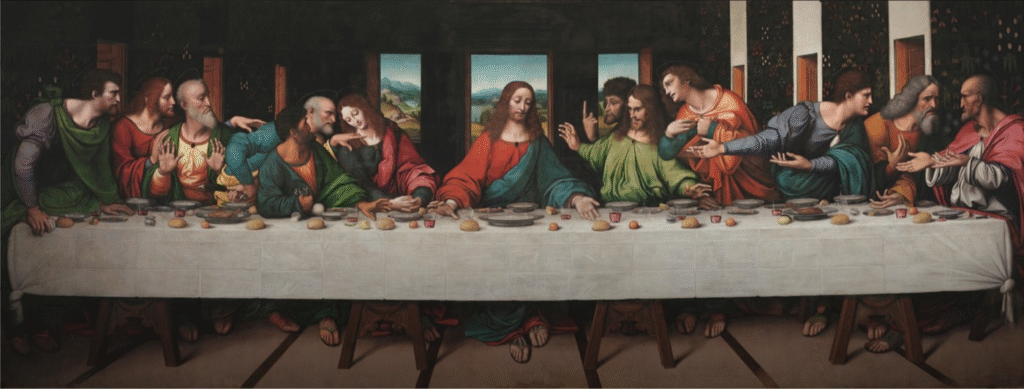
Holy Thursday commemorates the Last Supper that Jesus shared with his disciples on the night before he died. During this meal Christ instituted the Eucharist and gave his disciples the commandment to love one another.
The Gospel reading recalls how Jesus washed the feet of his disciples as a sign of humble service. In many parishes the priest reenacts this by washing the feet of several members of the congregation.
During the Mass we remember how Jesus transformed the Passover meal by identifying the bread and wine with his own body and blood. Catholics believe that through the priest’s words of consecration the bread and wine truly become the body and blood of Christ, a belief known as the doctrine of transubstantiation.
At the end of the Mass the Blessed Sacrament is carried in procession to a place of repose elsewhere in the church. This symbolises Christ going to the Garden of Gethsemane to pray before his arrest. The altar is then stripped bare and the tabernacle is left empty, creating a sense of solemn anticipation for the events that follow.
Good Friday – The Celebration of the Lord’s Passion
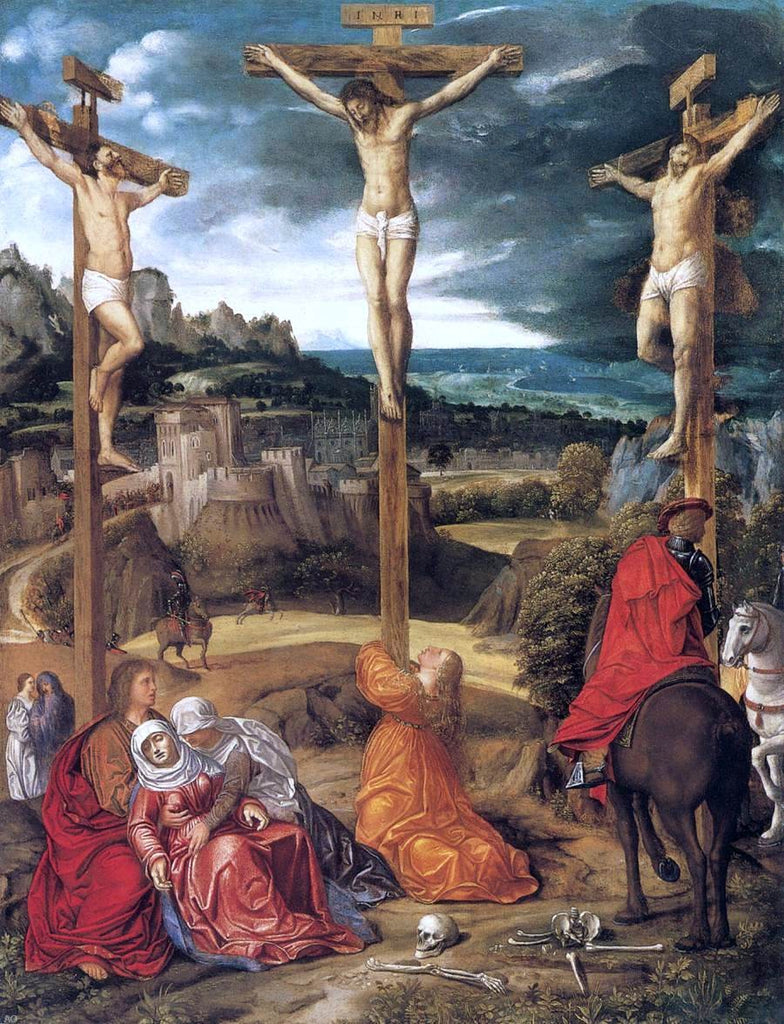
Good Friday is the day Christians remember the crucifixion and death of Jesus. It is the only day of the year when the Catholic Church does not celebrate Mass.
Instead, the Church gathers for a solemn liturgy usually held in the afternoon, traditionally around 3:00pm, the hour Christ died.
The service has three main parts:
- Liturgy of the Word – including the Passion according to St John
- Solemn Intercessions – prayers offered for the Church and the whole world
- Veneration of the Cross – where the faithful approach the crucifix as a sign of devotion
Communion is also distributed using hosts consecrated during the Mass of Holy Thursday.
Although attending the service is not strictly obligatory, the Church asks Catholics to observe fasting and abstinence on this day as a sign of repentance and solidarity with Christ’s suffering.
Easter Vigil – The Resurrection of the Lord
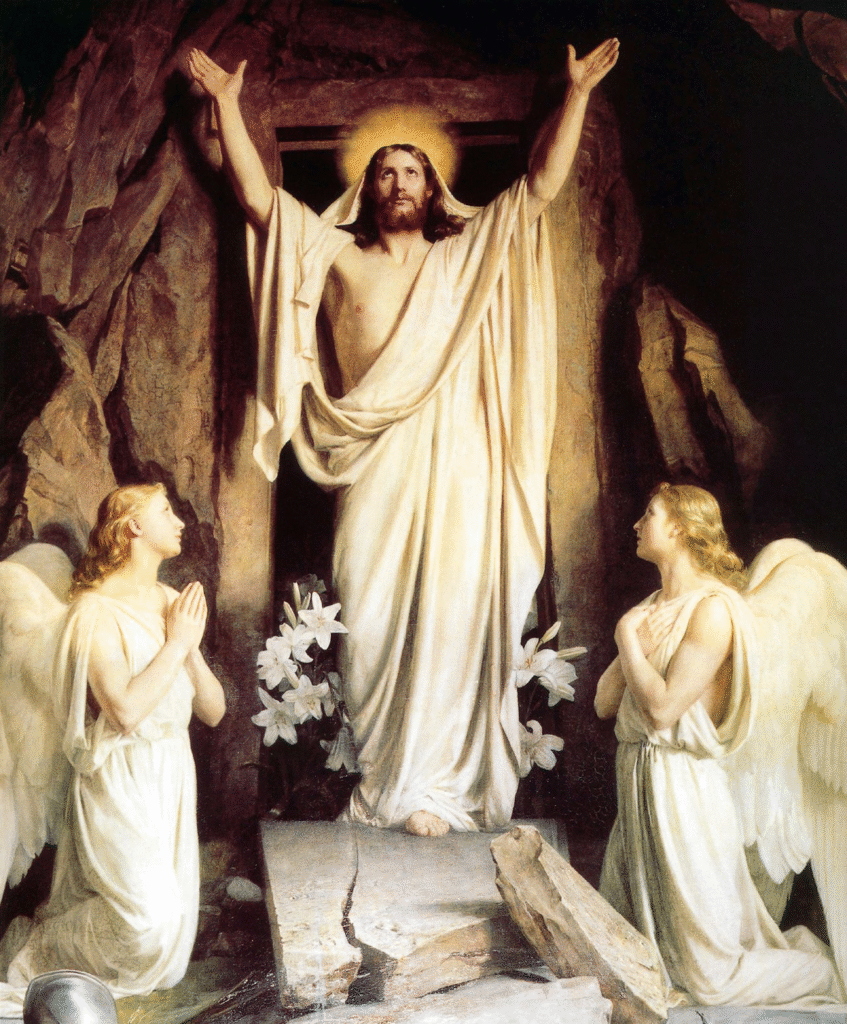
The Easter Vigil is the most important and most beautiful liturgy of the entire Church year. It takes place after nightfall on Holy Saturday and celebrates Christ’s victory over death.
The Vigil begins outside the church with the blessing of a fire and the lighting of the Paschal Candle, symbolising Christ as the light of the world. The congregation then enters the darkened church holding candles, gradually filling the space with light.
Next comes the Liturgy of the Word, which includes several readings from Scripture that recount the story of salvation from creation to the resurrection.
After these readings the Church joyfully sings Alleluia for the first time since the beginning of Lent, and the Gospel proclaims the resurrection of Jesus.
The Vigil is also the night when new members are welcomed into the Church through the sacraments of Baptism and Confirmation. Finally, the Mass continues with the Liturgy of the Eucharist as the Church celebrates the risen Christ.
For a more detailed explaination on what to expect at the Easter Vigil Mass visit the Hallow App website.
Attending the Easter Vigil fulfills the obligation to attend Mass for Easter Sunday.
Holy Week Obligations for Catholics (Quick Guide)
| Day | Obligation |
|---|---|
| Palm Sunday | Sunday Mass obligation |
| Holy Thursday | Recommended |
| Good Friday | Fasting & abstinence |
| Easter Vigil | Fulfills Easter obligation |
| Easter Sunday | Holy Day of Obligation |